It is not always the most expensive part that stops a system.
Sometimes all it takes is a poorly made joint that causes an invisible heat loss… and therefore performance drops, consumption increases, production stops.
This is how small details become big problems. Especially if they are underestimated.
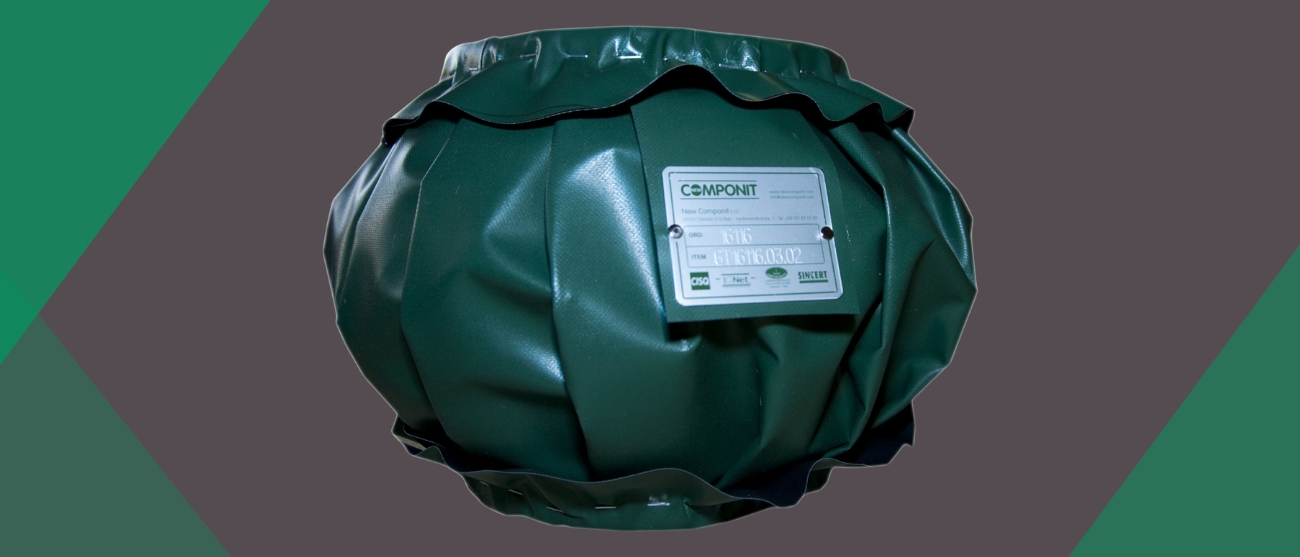
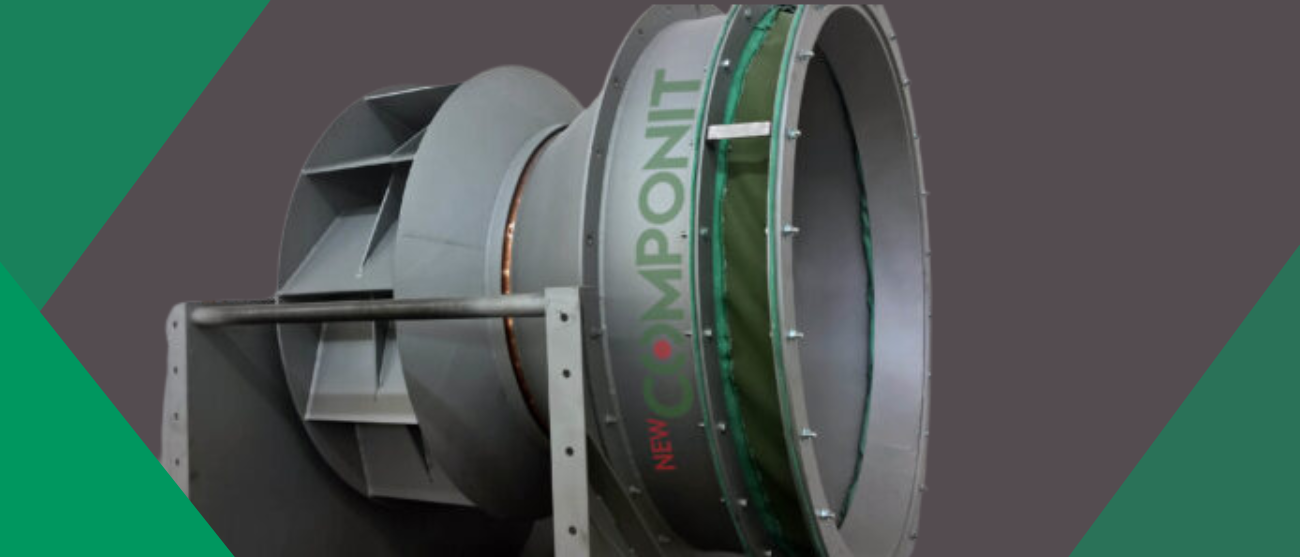
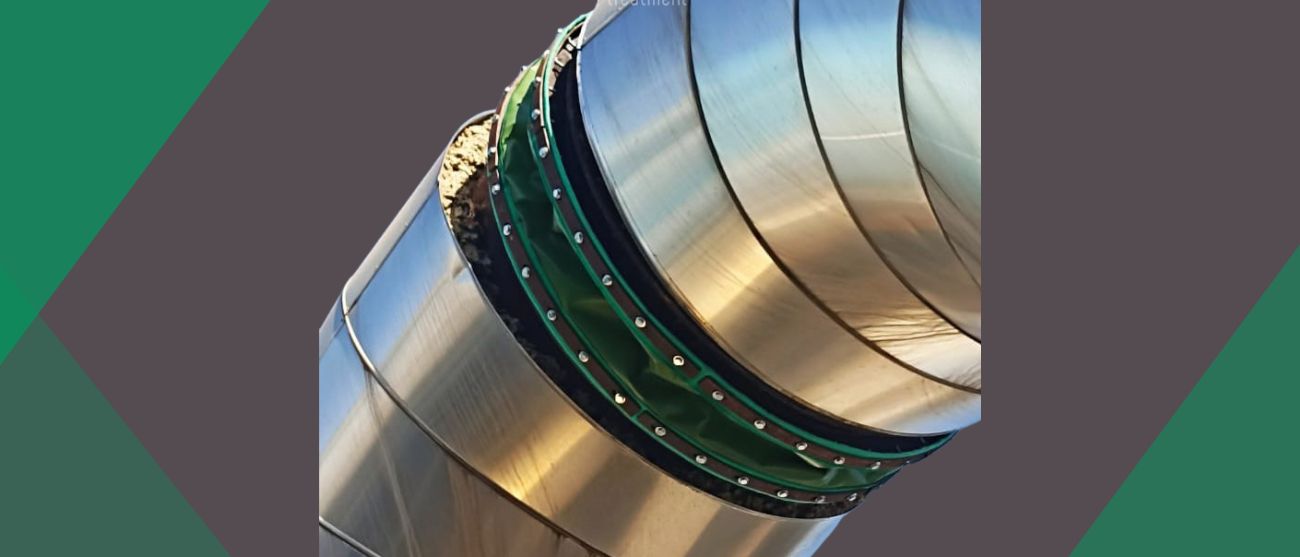
A prime example? Heat sealing applied to fabric expansion joints.
When done with care and expertise, it guarantees maximum sealing and high performance.
When neglected or done poorly, it can generate heat loss, reduce the useful life of the expansion joint and in the worst cases, cause costly and unexpected system downtime.
What happens if the heat sealing is not perfect?
Heat sealing is a fundamental technical step in the assembly of textile expansion joints. It serves to seal the final layers of the expansion joint, blocking any possible heat or gas leakage.
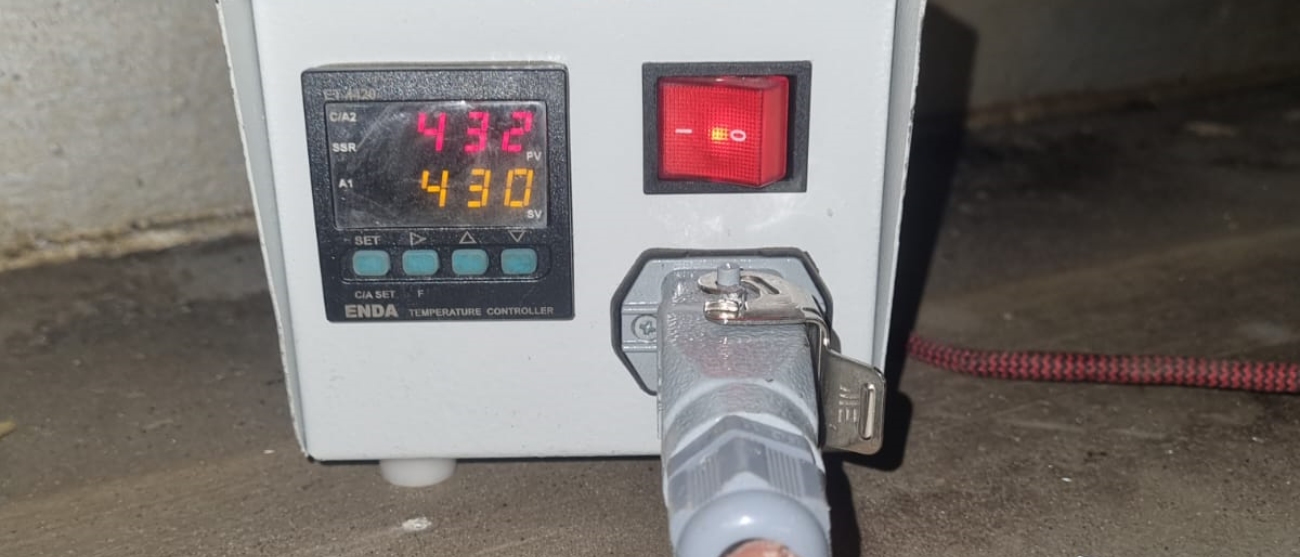
The process consists of inserting a heat-sealing film between two textile layers, which are then pressed and fused with a plate heated to approximately 430–450°C for 3–4 minutes.
It seems like a simple operation. But it is not.
An incorrect temperature, uneven pressure or hasty application is enough to compromise the effectiveness of the entire expansion joint. If not done properly, heat escapes, system performance drops and the expansion joint basically no longer does its job.
A poorly heat-sealed expansion joint can last up to half its normal life.
This means more replacements, more costs and, even worse, more unscheduled downtime.
When space is limited, there is no margin for error
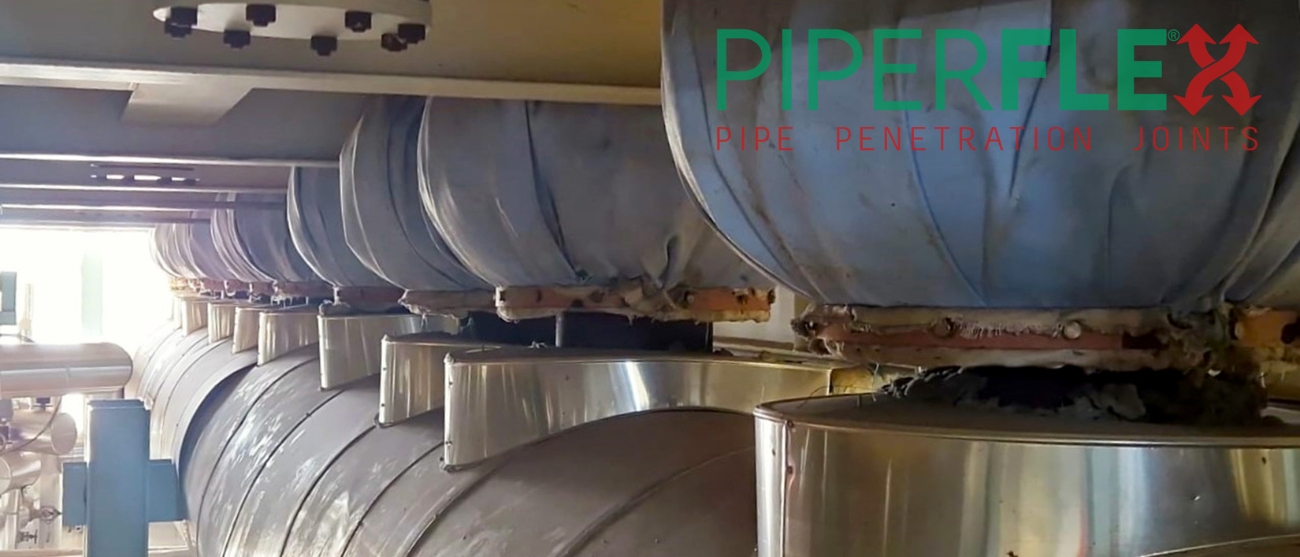
In real industrial plants, textile expansion joints are not installed under ideal conditions.
Work is often carried out in confined spaces, with reduced visibility and limited accessibility.
It is precisely in these contexts that experience makes the difference.
Heat sealing, when carried out by experienced operators with the right tools, guarantees:
- a durable seal,
- zero heat loss,
- maximum plant performance.
Underestimating an expansion joint can be costly
Textile expansion joints are often perceived as a minor detail.
“They are inexpensive, we install them internally, no expert is needed”. These are widespread but risky beliefs.
When an expansion joint is poorly installed or heat-sealed carelessly, it becomes a weak point that can compromise the entire system.
Even the slightest failure can cause heat loss, reduced performance and, in extreme cases, days of production downtime.
At that point, the cost of the joint is no longer important.
What matters is how much it costs to get everything up and running again.

Proper installation is a job for specialists
The installation of a textile expansion joint is therefore not an incidental step.
It is a technical activity that requires experience, precision and in-depth knowledge of the materials and operating conditions.
Especially when working in confined spaces, such as boiler bottoms or large industrial plant ducts, every action must be performed with accuracy:
- the position of the expansion joint,
- the alignment of the layers,
- the preparation of the welding points
- heat sealing at 430–450°C for 3–4 minutes.
Even the smallest error at this stage can halve the useful life of the component.
This is why not all teams are able to guarantee the same level of reliability.
New Componit brings its own method to the field
New Componit does not just supply a product.
It arrives on site. It works in direct contact with the plant. It supervises or performs every single step.
Installation is managed by highly qualified teams, who also operate in complex conditions, where there is zero margin for error.
Each heat seal is made with professional tools, temperature controls, application times and layer sealing.
In addition, New Componit technicians directly support the internal teams of companies, including through training or on-site assistance.
Where precision, expertise and reliability are required, there is only one way to achieve a perfectly functioning joint:
rely on those who install it every day, all over the world.
New Componit installations do more than just make an expansion joint work: they optimise the performance of the entire system.
So, if you are replacing your textile expansion joints, trust those who do it every day in systems like yours.
Talk to a New Componit technician: we will help you plan each stage, choose the most suitable solutions and carry out a flawless installation.
Contact us today for a personalised consultation.

 Customer Service Department
Specialist in metal fabrication and boiler making with extensive experience in the design and construction of heaters and heat exchangers for both the nuclear and conventional sectors.