At home when you feel cold, the first thing you do is close the windows and only then you turn up the heat. No one would keep the radiators cranked up with the windows wide open, because the waste would be so obvious as to seem ridiculous.
Yet in industrial plants, something very similar happens, every day, all year round. Valves operating at 300 °C without any insulation, exposed flanges, scalding pipes left out in the open. Energy escapes unchecked and no one even notices anymore, because “it’s always been that way” and because those leaks make no noise and don’t halt production.
Besides, if your home were in energy class E or F you wouldn’t tear it down to rebuild it. You’d make targeted improvements—windows and doors, exterior insulation, solar panels—with a measurable return on your utility bill. The exact same principle applies to your heating system: there’s no need to start from scratch. First, you need to stop heating air that nobody uses.
The heat loss you can’t see costs you money every day, even when the system is running
An uninsulated valve operating at 300 °C continuously dissipates heat, 24 hours a day, 365 days a year. If you multiply this by the dozens or hundreds of uninsulated points found in an average plant, the cost quickly and significantly increases.
The problem is that these leaks don’t trigger alarms and don’t halt production. They simply consume energy and generate costs that end up on the bill without anyone being able to pinpoint a specific cause. They remain there year after year , precisely because
They remain there, year after year, precisely because they don’t cause visible failures.
They don’t cause visible failure. The good news is that today there is a concrete way to track down these leaks and put a number on them. With a thermographic analysis and an inventory of critical points
The good news is that today there is a concrete way to track down these leaks and put a number on them. With a thermographic analysis and an inventory of critical points—pipes, tanks, valves, flanges, heat exchangers—you can finally quantify how much energy is being lost, how much it costs each year and where it makes the most sense to take action first.
Insulating exposed areas reduces energy consumption immediately, without disrupting the production process
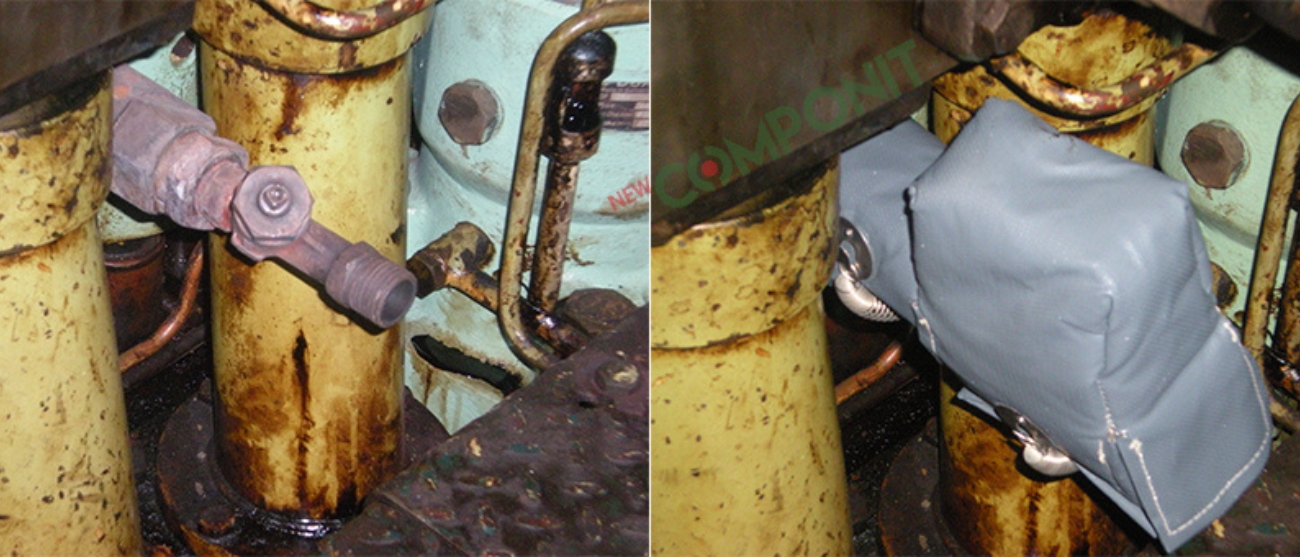
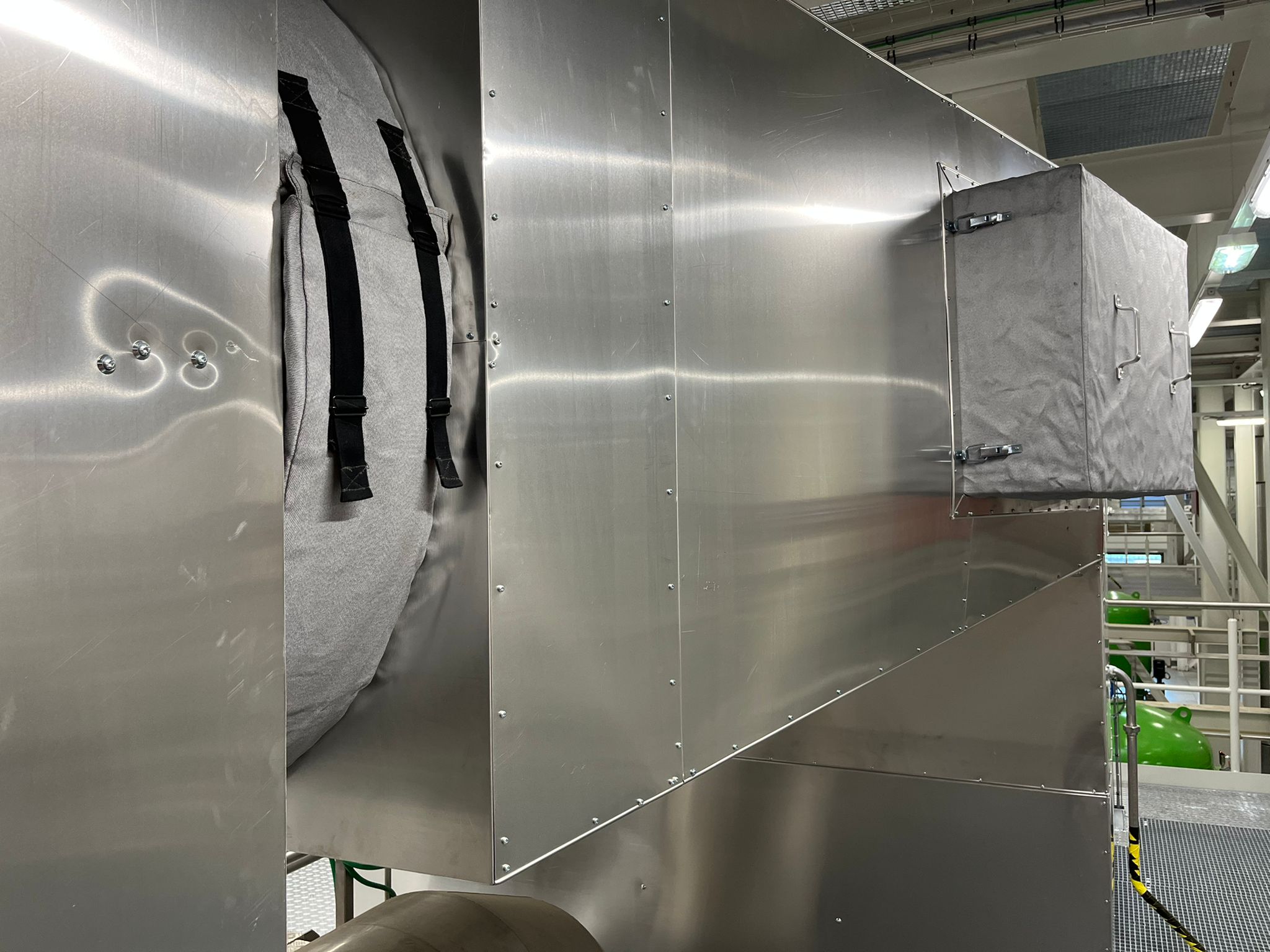
Insulating hot or cold surfaces does not require structural changes to the plant, does not necessitate halting production for weeks and does not involve complex permits or redesigns. It simply involves installing removable thermal blankets, technical linings, or custom insulation in the areas identified as priorities by the analysis.
The effect is immediate and measurable: less heat loss, less energy consumed and less CO₂ emitted.
And the best part is that the return on investment can be calculated even before the work begins, because the audit provides precise data for each individual point: lost kWh, annual cost of heat loss, expected savings after the work and reduction in emissions.
First eliminate visible waste, then look to the future with renewables and heat recovery
Solar power, process electrification, heat recovery, smart monitoring: these are all important steps toward a more sustainable plant. But starting there without first eliminating basic energy losses is like installing solar panels on a house with broken windows. The effect is there, but part of the investment is negated by the waste that remains.
Insulation is the prerequisite—the intervention with the most favorable cost-benefit ratio and the quickest to implement.
Every euro saved on energy loss becomes a euro you can reinvest in more advanced technologies, starting from an optimized energy foundation and with already achieved measurable results.
How to find out exactly where your system is wasting energy and how much it’s costing you
The process is simpler than it seems. It starts with a TipCheck energy audit—New Componit’s technical inspection with thermographic analysis—which maps all the uninsulated or poorly insulated areas of your plant and calculates, for each one, the energy loss in kWh, the annual cost and the potential savings.
The result is an objective snapshot that tells you exactly where to take action, in what order and with what expected return
Finally, you have the data and numbers you need to make informed decisions.
Most companies put it off. “We’ll do it next year.” “We have other priorities right now.” Meanwhile, the operating margin shrinks a little every month, without anyone being able to pinpoint the exact cause.
If you want to understand how much your facility is losing, let’s talk. New Componit has been conducting TipCheck audits and industrial insulation projects for 40 years, in Italy and around the world. The first step is to look at the numbers together.
 General Manager
Expert in industrial insulation and expansion joints. Supports companies in innovation and the search for reliable and safe solutions.