In recent months, we at New Componit have decided to tackle the subject of hexavalent chromium in depth through our various channels in order to provide our team and our customers with correct information on the risks; at the same time, we want to provide a timely response to the request for preventive measures to be implemented in industrial plants.
Hexavalent chromium has been a major issue for almost a year and is still being updated: assessments on the hazardousness of hexavalent chromium in industrial plants are still ongoing.
The European Commission’s restriction request.
The European Commission has recently submitted a proposal to the European Chemicals Agency (ECHA) to update the restriction request for hexavalent chromium substances; in particular, 12 more substances will be evaluated in addition to the two already included in the original request of September 2023.
The substances included in the new restriction proposal submitted to ECHA may pose risks to workers and the general public, as well as to the environment, when used as substitutes for hexavalent chromium substances subject to authorisation.
How does the restriction procedure work?
Restriction procedures are essential for the protection of workers, the general public and the environment: an EU Member State, or the European Commission, can propose a restriction if it fears that a substance poses an unacceptable risk to human health or the environment.
The procedure is initiated by submitting the restriction request to ECHA, the European Chemicals Agency; after the request has been checked for conformity, the proposal is analysed by the two ECHA committees:
- the Committee for Risk Assessment (RAC) prepares its opinion on the appropriateness of the restriction based on the risks to human health and the environment identified for the substance.
- the Socio-economic Analysis Committee (SEAC) prepares its opinion on the socio-economic impacts of the proposed restriction, then on the basis of the costs and benefits of the restriction.
Once all comments have been received by ECHA, the European Commission makes an overall assessment and updates the restriction list: once the list is approved, the industry, which includes the entire supply chain, is obliged to comply and the EU Member States become responsible for enforcing the restriction.
Latest news on hexavalent chromium
Currently, the restriction procedure for hexavalent chromium substances is still in the analysis phase; the broadening of the scope of the application has in fact led ECHA to postpone the final evaluation and consequently the drafting of the restriction list.
During the analysis phase, ECHA committees may invite interested parties to submit evidence to support the preparation of the proposal; in the case of hexavalent chromium, on 6 June 2024, ECHA discussed the initial findings based on the data initially received and launched a second call for evidence of risks and benefits to support the updated proposal.
Until the final list of restrictions is drawn up, it is important to continue to keep up-to-date on this issue to ensure that you comply with European regulations and protect the well-being of your workers and the environment.
Many substances derived from hexavalent chromium are easily found in industrial plants and are classified as carcinogenic and highly toxic to the environment, with long-term health consequences.
Among the hazardous substances derived from hexavalent chromium, it is good to consider calcium chromate; this compound is formed as a result of the oxidation of chromium with calcium oxide and it is important to prevent its formation in your plant.
How to prevent risks from hexavalent chromium compounds?
Avoiding the use of thermal insulation systems with materials containing calcium, sodium, potassium or their oxides is the first step in securing yourself against risks from hexavalent chromium.
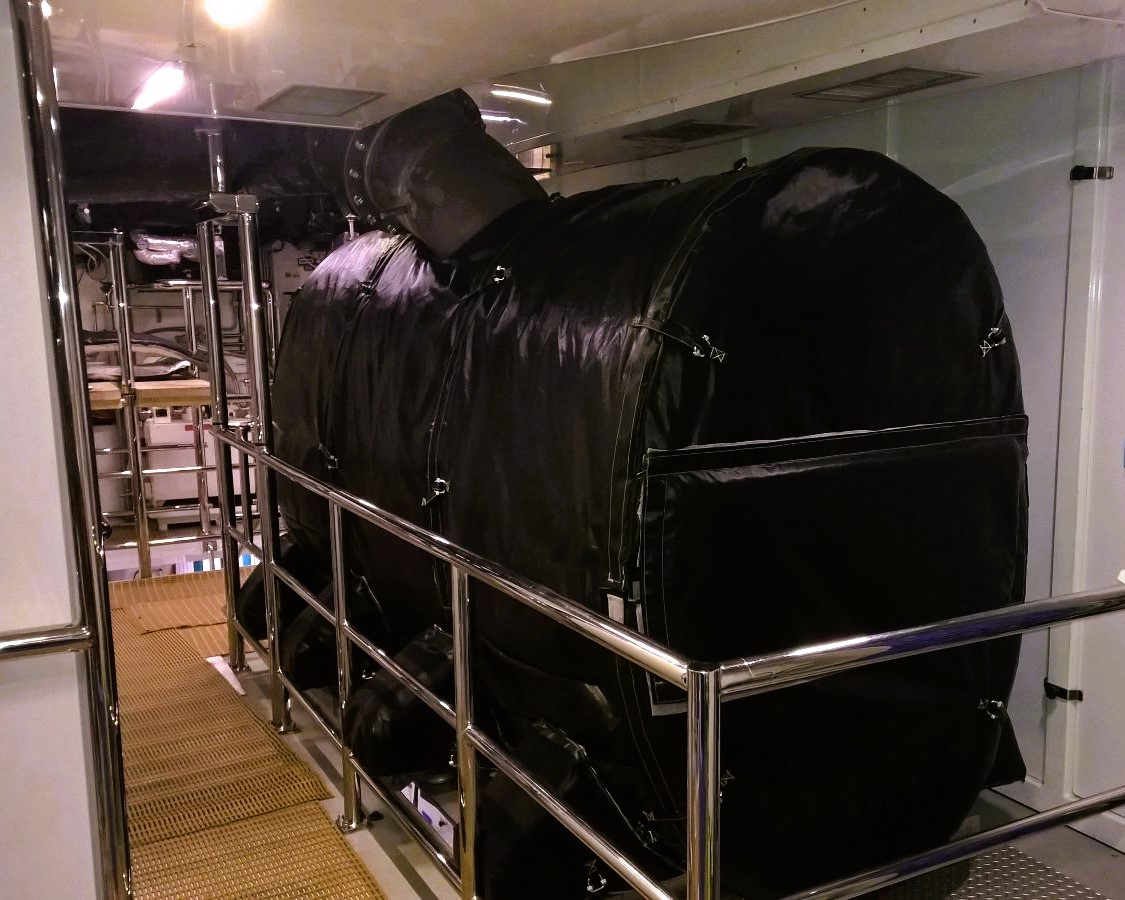
Today, it is possible to prevent the formation of hexavalent chromium compounds, such as calcium chromate, in industrial systems by adopting textile solutions specifically designed for this purpose.
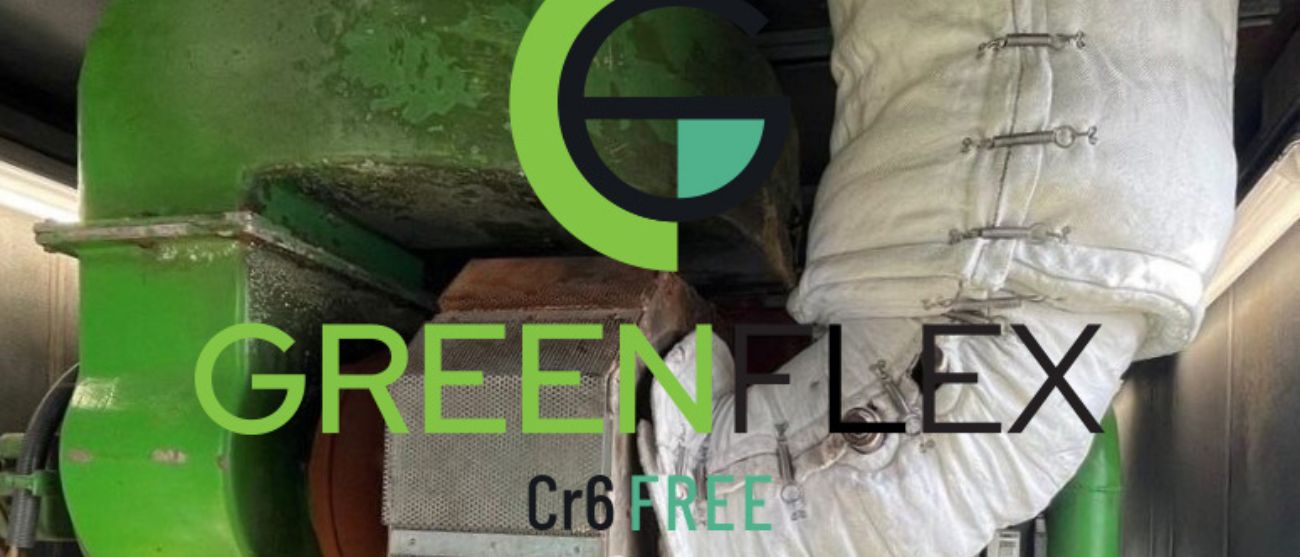
We at New Componit have over the years invested in research and development of textile solutions that prevent the possible formation of hexavalent chromium in industrial plants. In fact, we have included the Greenflex line in our product range, which includes high-temperature insulation systems with calcium-free protection. By replacing textiles and insulation mats containing calcium, our Greenflex textiles do not release toxic substances when used, making them ideal for worker and environmental safety and allowing you to work in compliance with international safety regulations.
Our high-temperature products also help to contain heat, ensuring greater efficiency of insulated equipment: they therefore contribute to cost savings, but above all to a reduction in potential CO2 emissions into the atmosphere, making your plant even more environmentally sustainable.
Want to improve comfort and performance in your plant with a tailored solution?

 General Manager
Expert in industrial insulation and expansion joints. Supports companies in innovation and the search for reliable and safe solutions.